Barbara: A Display Font with Unapologetic Attitude
Let’s be honest: most fonts are designed to blend in. They’re the quiet workhorses of the design world, meant to deliver information without causing a fuss. Then, every once in a while, a typeface comes along that doesn’t just walk into the room—it makes an entrance. That’s the energy behind Barbara. This isn’t a font for whispering; it’s for making a statement. If you’ve ever felt constrained by the safe, predictable options in your font library and craved something with a bit more artistic flair, Barbara might just be the creative catalyst you’ve been searching for.
More Than Letters: Understanding Barbara's Visual DNA
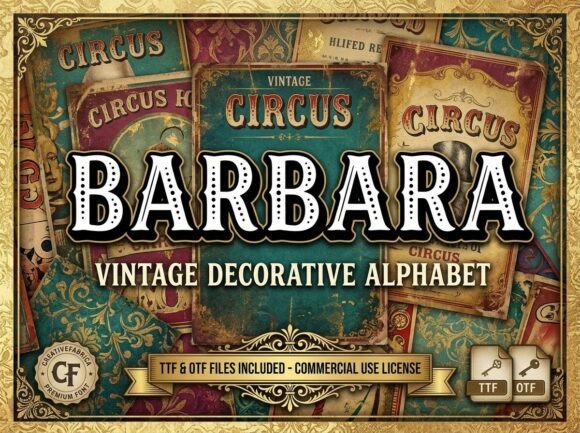
At its core, Barbara is a premium display font with a personality that’s impossible to ignore. Its characters are crafted with unique artistic elements—think unexpected curves, deliberate weight shifts, and a strong visual rhythm that commands attention. This isn't your standard serif or sans serif; it’s a creative font built for high-impact moments. The designers focused on making each uppercase letter a miniature work of art, which is why it’s an ALL-CAPS typeface. It’s specifically engineered for headlines, logos, and decorative initials where you want every single character to contribute to a powerful visual story.
This design choice is crucial. Because Barbara doesn’t include lowercase letters, it forces a focused, intentional approach. You won’t be tempted to set a paragraph of body copy with it—a task for which it is not suited. Instead, its strength lies in short, bold bursts of text where its unique personality can shine without compromising readability at a glance. Think of it as the bold accent piece in your design wardrobe, not the everyday jeans.
Where Barbara Truly Shines: Practical Applications for Bold Creators
Theory is nice, but how does this translate to your actual projects? The versatility of a well-crafted display font like Barbara is its greatest asset. Here’s where it can transform your work from ordinary to memorable:
- Brand Identity & Logo Design: A logo needs to be distinctive and ownable. Barbara’s strong visual personality can form the cornerstone of a brand identity for boutiques, artisanal product lines, creative agencies, or lifestyle influencers. It sets a tone that’s artistic, confident, and modern from the first glance.
- Packaging & Merchandise: On a shelf or in an online store, packaging has mere seconds to capture interest. Use Barbara for product names or taglines on boxes, labels, tote bags, or apparel. Its decorative nature adds a layer of perceived quality and artistry, making a product feel more curated and special.
- Editorial & Print Design: Magazines, posters, and event invitations thrive on dramatic typography. Barbara is perfect for pull quotes, chapter titles, or event headers. It can break up the monotony of standard editorial design and inject a burst of energy into your layouts.
- Digital Presence: For websites, blogs, and social media graphics, a striking headline is everything. Use Barbara for hero section titles, YouTube thumbnails, Instagram story headers, or podcast cover art. It helps your content stand out in a crowded feed and reinforces your visual brand consistently across platforms.
- Marketing & Digital Products: From email newsletter headers to lead magnet covers and webinar slide decks, strong typography improves audience engagement. Barbara can help your marketing assets look more professional and polished, building trust and recognition with your audience.
Pairing and Practicality: Using Barbara Effectively
Introducing a powerful typeface like Barbara into your toolkit requires a bit of strategy to ensure it enhances rather than overwhelms. Here’s some practical advice for seamless integration:
Master the Art of Font Pairing. A display font needs a partner. For visual consistency and readability, pair Barbara with a clean, neutral companion. A simple sans serif or a classic serif font for body copy will create a beautiful contrast, allowing Barbara to handle the headlines while the secondary font carries the longer text. Test pairings by seeing how they look together in a mockup—do they feel balanced, or is one fighting for dominance?
Align with Your Project Goals. Before you even open your design software, ask: what’s the vibe? Barbara’s artistic flair is perfect for projects that aim to be bold, creative, or luxurious. It might be less suitable for a law firm’s annual report but ideal for a craft brewery’s menu or a fashion lookbook. Matching typography to project goals is half the battle in effective visual communication.
Respect Its ALL-CAPS Nature. This is non-negotiable. Because it’s an uppercase-only typeface, it’s designed for impact, not for setting a 500-word blog post. Using it for short phrases ensures every letter is showcased as intended and maintains the professional polish it was built for. For longer text, always default to your paired, more versatile font.
Understand the Included Files. When you acquire a commercial font like this, you’re investing in design assets. Barbara typically comes with OTF and TTF files. The OTF (OpenType Font) is the professional standard, offering advanced typographic features in software like Adobe Illustrator or InDesign. The TTF (TrueType Font) ensures universal compatibility across devices and basic design apps. This gives you flexibility for any project, from high-end print to quick digital mockups.
Always Review Licensing. For any premium font intended for commercial use, carefully read the license agreement. Understand what’s permitted—whether for a single project, multiple clients, or for use on merchandise you sell. This is a fundamental step in building a professional and legally sound design practice.
A Tool for Distinction in a Noisy World
In a landscape saturated with content, the fonts you choose are silent ambassadors for your brand or project. They communicate mood, quality, and intention before a word is read. Barbara offers a way to break away from the ordinary. It’s a tool for creators who understand that sometimes, you need to be the center of attention. By thoughtfully integrating a typeface with this much character, you’re not just picking a font—you’re making a deliberate choice to elevate your work, strengthen your brand recognition, and connect with your audience on a more visceral, visual level. It’s about giving your projects the distinctive voice they deserve.