Comic Outline: A Playful Typeface for Modern Creativity
You know that feeling when a design needs to be friendly, approachable, and instantly recognizable? That's the sweet spot where a typeface like Comic Outline thrives. It's not just another display font; it's a visual cue that communicates warmth and simplicity. In a crowded digital space, having a tool in your design arsenal that can cut through the noise with a cheerful, clean aesthetic is invaluable. This font isn't trying to be overly sophisticated or avant-garde. Instead, it leans into its playful, outlined character to make headlines pop and messages feel inviting. It’s the typographic equivalent of a friendly wave, perfect for projects where you want to connect on a human level.
Understanding the Visual Appeal
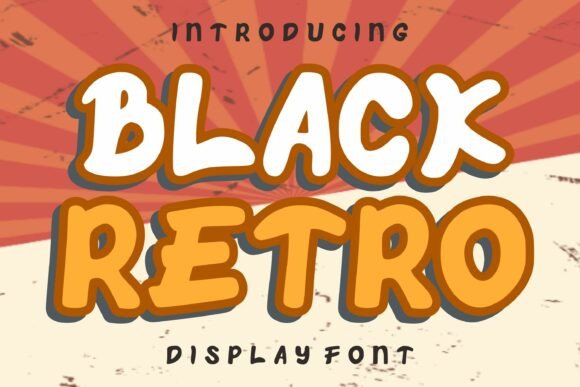
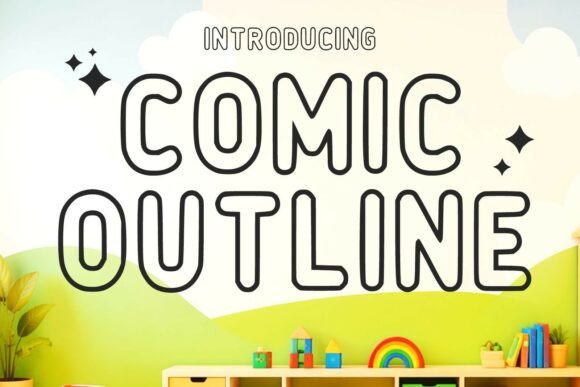
At its core, Comic Outline is a premium font built on a foundation of rounded shapes and a consistent, clean outline. This combination creates a look that is both modern and timeless in its simplicity. The rounded terminals and open counters give each letterform a soft, approachable feel, eliminating any sharp edges that might feel aggressive or overly formal. The outline style itself is a clever design choice; it allows the background to show through, adding a layer of depth and making the text feel light and less heavy on the page. This characteristic makes it exceptionally versatile, as it can adapt to colorful backgrounds without losing its legibility or personality. Think of it as a modern typography solution that borrows the friendly spirit of classic comic lettering but presents it with a crisp, contemporary execution.
Where This Typeface Truly Shines
The practical applications for a creative font like this are surprisingly broad. Its strength lies in projects that prioritize engagement and a clear, positive tone.
- Brand Identity & Logo Design: For brands targeting families, children, educators, or the pet industry, this typeface can become a cornerstone of your visual identity. It instantly communicates a brand that is approachable, fun, and trustworthy. A logo set in Comic Outline feels more like a friendly badge than a corporate stamp.
- Packaging & Product Design: Imagine this font on a box of children's snacks, a line of organic pet treats, or a DIY craft kit. It grabs attention on the shelf with its playful energy and makes the product feel accessible and enjoyable. The outline style can be particularly effective for creating visually interesting labels that layer over product imagery.
- Marketing & Social Media Graphics: In the fast-scrolling world of social media, a bold, friendly headline can stop a thumb in its tracks. Use this typeface for Instagram story headings, Facebook ad copy, or YouTube video thumbnails. Its inherent cheerfulness can boost click-through rates by making your content feel more like an invitation and less like an advertisement. For blogs and websites, it’s perfect for section headers that guide the reader with a light, engaging touch.
- Print & Digital Products: From posters for a local community event to stickers for a planner brand, from the cover of a children's e-book to the title slide of a fun presentation, this font adds a cohesive and cheerful personality. It works beautifully for merchandise like t-shirts and tote bags, where a clean, outlined graphic translates well to screen printing or embroidery.
Practical Advice for Using a Display Font
While a typeface like Comic Outline is incredibly effective, using it well requires a bit of strategic thinking. It’s a specialty display font, not a workhorse for body text. Here’s how to get the most out of it.
Pairing for Balance: The key to using a strong display font is pairing it with a more neutral counterpart. For body copy, captions, or detailed information, pair Comic Outline with a clean, highly legible sans serif font. This contrast ensures your headlines grab attention without sacrificing the readability of your supporting text. Avoid pairing it with other ornate or script fonts, as this can create visual clutter.
Readability in Context: Always test your typography in its intended environment. A font that looks great on your design screen might behave differently on a printed poster viewed from a distance or on a small mobile screen. Check the kerning and spacing at the size you plan to use. The outlined nature means it works best with a solid color fill or against a contrasting background to ensure clarity.
Reviewing the Full Package: When you invest in a commercial font, explore everything it offers. Look for included styles like bold or italic versions, alternate characters, or extra glyphs. These extras can add valuable variety to your designs and help you solve specific layout challenges without needing another typeface.
Licensing for Commercial Use: This is a critical, often overlooked step. If you’re using the font for a client project, merchandise for sale, or any commercial enterprise, ensure you have the correct license. Most premium fonts come with clear licensing terms. Using a font without the proper license can lead to legal complications down the road, so it’s always worth double-checking the end-user license agreement (EULA) before finalizing a project.
Matching Font to Project Goals
Ultimately, the best way to choose a font is to align its personality with your project's core message. Ask yourself: What feeling should this design evoke? If the answer involves words like friendly, playful, energetic, approachable, or fun, then a typeface like Comic Outline is a strong candidate. It’s not the right choice for a law firm's annual report or a luxury watch brand, but for a birthday party invitation, a teacher's classroom materials, a indie game's UI, or a social media campaign for a family restaurant, it can be the perfect design asset that brings a smile and communicates your message with clarity and charm.