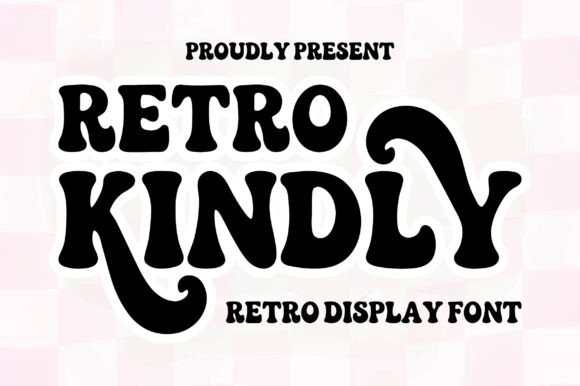
Retro Kindly: The Groovy Font That Brings Vintage Warmth to Modern Design
There's something magnetic about design that feels familiar yet fresh—like flipping through a sun-bleached magazine from 1974 while sipping coffee in a modern café. That's the energy Retro Kindly brings to the table. This bold display typeface channels the chunky, playful spirit of vintage lettering without feeling like a museum piece. It's the kind of font that makes you want to touch it, to run your fingers across the curves of each letterform. For designers, entrepreneurs, and creative minds who want their projects to carry personality and warmth, this typeface offers something genuinely special.
Why the 70s Aesthetic Keeps Coming Back
Trends cycle, but certain visual languages never really lose their appeal. The rounded, weighty letterforms of the disco era—think concert posters, cereal boxes, and road trip signage—carry an inherent friendliness. They feel approachable. They feel human. Retro Kindly taps into that visual memory with chunky shapes and generous curves that practically smile at the viewer.
What sets this particular typeface apart from other retro-inspired fonts is its balance. Some vintage fonts lean too hard into nostalgia and end up looking like costume design. Others strip away so much character that they lose the warmth entirely. Retro Kindly sits in a sweet spot: it's unmistakably groovy, but it doesn't sacrifice clarity. The letter spacing feels intentional. The weight distribution holds up at various sizes. These aren't just pretty shapes—they're functional design tools.
Where This Font Truly Shines
Display fonts live or die by context. A typeface that looks stunning on a concert poster might fall flat on a business card. Retro Kindly performs best when it's given room to breathe and a stage to command attention.
Logo design is an obvious starting point. If you're building a brand for a craft brewery, a vintage clothing shop, a podcast about classic cinema, or a bakery with a playful personality, this font gives your wordmark instant character. It tells people something about your brand before they read a single line of copy. Pair it with a clean sans serif for body text, and you've got a visual identity that feels cohesive and intentional.
Packaging design benefits enormously from this kind of personality. On a shelf crowded with minimal, geometric branding, a product set in Retro Kindly practically jumps forward. It works beautifully on labels for artisanal goods, specialty foods, cosmetics with a fun angle, or any product that wants to signal warmth and authenticity. The chunky letterforms hold up well in print, even at smaller sizes on jars and boxes.
Poster and editorial layouts are where this typeface gets to really stretch out. Think event posters, magazine headers, zine covers, or book chapter openers. The groovy curves create natural focal points, and the bold weight commands attention without needing additional effects or outlines. If you're designing a poster for a music festival, a community event, or a creative workshop, Retro Kindly gives you that handcrafted, slightly psychedelic energy that makes people stop scrolling or walking.
Social media graphics are another strong use case. Instagram stories, quote cards, announcement posts, and promotional banners all benefit from a font that cuts through the noise. In a feed full of clean, modern sans serifs, a bold retro typeface is a pattern interrupt. It catches the eye. It sparks curiosity. For content creators, bloggers, and small business owners managing their own social presence, having a distinctive display font in your toolkit makes a real difference in engagement.
Merchandise and physical products—tote bags, t-shirts, mugs, stickers—often rely on bold, simple typography that translates well to various printing methods. Retro Kindly's strong, clean shapes make it a natural fit for screen printing, heat transfer, and digital printing alike. The curves and weight give it enough visual interest to carry a design without relying on complex illustrations.
Practical Considerations Before You Commit
Choosing a font isn't just about falling in love with how it looks in a preview. Smart designers think about how a typeface will perform across the full scope of a project.
Readability matters, even for display fonts. Retro Kindly is designed for headlines, logos, and short bursts of text—not for setting a 500-word paragraph. Use it where it shines: titles, subheadings, callouts, and display text. For body copy, pair it with a straightforward serif font or a clean sans serif that won't compete for attention. The contrast between a playful display face and a quiet reading font is one of the most reliable pairings in modern typography.
Test your pairings before committing. Drop Retro Kindly into a mockup alongside your body text font and see how they interact. Do the weights feel balanced? Does the x-height of your body font feel proportional next to the display face? Sometimes a font that looks great in isolation clashes when combined with another. Spend thirty minutes testing combinations—it saves hours of revision later.
Check what's included in the package. A quality premium font often comes with multiple styles, alternate characters, or stylistic variations. Review the full character set before purchasing. Does it include the glyphs you need? Are there numerals, punctuation marks, and special characters that match your project requirements? Understanding what you're working with upfront prevents frustration during production.
Understand the licensing. This is especially important for small business owners and entrepreneurs who plan to use the font commercially. Most creative fonts come with specific licensing terms that dictate how they can be used—in logos, on merchandise, in digital products, or across client work. Read the license carefully. If you're creating a logo for a client or selling products featuring the font, make sure your license covers that use. It's a small step that protects you legally and professionally.
Building Brand Recognition Through Thoughtful Typography
A font choice isn't decoration—it's communication. The typefaces you use across your brand send signals about who you are, who you're speaking to, and what people can expect from you. Retro Kindly signals warmth, creativity, and a certain playful confidence. If that aligns with your brand personality, using it consistently across touchpoints—from your website headers to your email templates to your packaging—builds recognition over time.
Visual consistency is one of the most underrated tools in brand building. When a customer sees your Instagram post, then visits your website, then opens a package from you, the typography should feel like a throughline. It shouldn't be identical everywhere, but it should feel like it belongs to the same family. A display font like Retro Kindly can anchor your visual identity while complementary typefaces handle the supporting roles.
For entrepreneurs and small business owners who can't afford a full branding agency, a strong font choice paired with a thoughtful color palette can get you remarkably far. It gives your materials a professional presentation that builds trust. People may not consciously notice your typography, but they'll feel its effects—cohesion, intention, and personality.
Whether you're designing a wedding invitation, launching a product line, building a blog, or refreshing a brand identity, the fonts you choose shape how your audience experiences your work. Retro Kindly offers a distinctive voice that's hard to replicate with generic system fonts. It brings the groovy, warm-hearted energy of vintage design into a format that works beautifully in contemporary projects. And sometimes, that's exactly what a design needs—a little personality, a little nostalgia, and a whole lot of charm.