Why the Fun Mom Font is Your New Secret Weapon for Standout Designs
Ever find yourself staring at a blank canvas, trying to conjure up the perfect typeface for a project that needs to feel both approachable and stylish? You know the vibe: it has to be friendly, a little playful, but still polished enough to look professional. This is the sweet spot where many display fonts falter, either leaning too childish or too rigid. Enter a typeface that masterfully balances bold charm with a relaxed, confident energy—ready to inject personality into everything from a mom-and-pop shop's branding to a viral social media campaign.
A Typeface with Personality: What Makes It Visually Tick
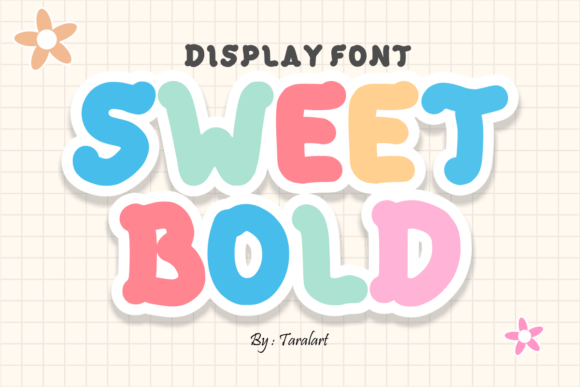
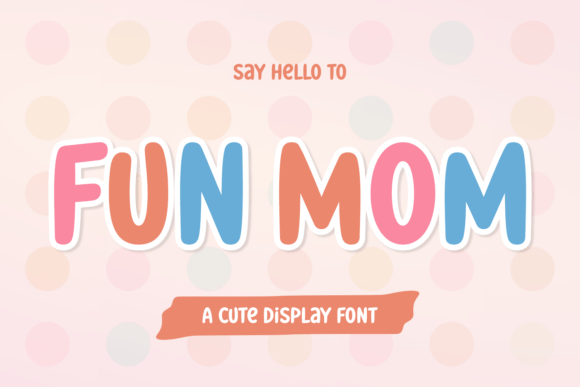
At its core, this is a bold and cute display font designed for impact. The letterforms are crafted with a lovely, rounded style that feels both whimsical and sturdy. It’s not a delicate script that fades into the background; it’s a premium font that commands attention while maintaining a sense of warmth. Think of it as the typographic equivalent of a confident, friendly smile. The slightly relaxed baseline and generous character spacing give it an effortless, hand-crafted quality, making it a perfect creative font for projects that need a human touch. It’s this unique blend of modern typography and vintage-inspired charm that makes it so versatile.
From Screen to Stitch: Real-World Applications That Shine
The true test of any typeface is how it performs in the wild. This is where a font like this truly excels, bridging the gap between digital and physical creations with ease. For logo design, it offers instant recognition and personality, helping a brand like a boutique bakery or a family-run craft studio stand out in a crowded market. In packaging design, it can transform a simple product label into something that feels special and giftable, catching a shopper's eye on a shelf or in an online store.
Beyond branding, its applications are nearly endless. Imagine it on:
- Social media graphics and Instagram stories that need to pop in a fast-scrolling feed.
- Invitations for birthdays, baby showers, or community events where a joyful tone is key.
- Merchandise like t-shirts, tote bags, and stickers, where bold, readable lettering is a must.
- Blog headers and website hero sections that set a welcoming, creative tone.
- Digital products such as printable planners, quote cards, or educational worksheets.
- Editorial layouts for magazines or newsletters, especially for pull quotes or feature titles.
It’s the kind of design asset that earns its place in your toolkit because you’ll constantly find new uses for it.
Building a Brand That Feels Authentic and Memorable
For entrepreneurs and small business owners, brand identity is everything. Typography is a silent ambassador, communicating your values before a customer reads a single word. A display font like this one can be a cornerstone of a brand that wants to be seen as approachable, creative, and joyful. It’s particularly effective for businesses targeting families, lifestyle audiences, or anyone looking to add a dose of positivity to their marketing assets.
Using it consistently across your logo, packaging, social media graphics, and website builds visual consistency, which is the bedrock of brand recognition. When a customer sees that distinct, friendly lettering on a Facebook ad and then again on the product box, it creates a cohesive and trustworthy experience. It tells a story of a brand that’s confident in its identity and cares about its visual presentation.
Practical Tips for Making the Most of This Font
Integrating any new font style into your workflow requires a bit of strategy. Here’s how to use this one effectively:
Choose the Right Context: This is a display font, meaning it’s designed for headlines, logos, and short bursts of text—not for writing your 10-page business report. Its strength is in grabbing attention. Use it for titles, calls-to-action, and featured text where you want to inject personality.
Master the Font Pairing: A bold, characterful font needs a quieter partner to ensure readability. Pair it with a clean, neutral sans serif font for body text. For example, use the bold display font for your headline and a classic like Open Sans or Lato for the paragraph underneath. This contrast creates a visual hierarchy that guides the reader’s eye and keeps your design looking professional.
Test for Readability: Always test your designs at the actual size they’ll be viewed. A font that looks stunning on your 27-inch monitor might become illegible when scaled down for a mobile screen or a small product label. Check letter spacing and clarity at different sizes.
Explore the Included Styles: Check if the font family comes with different weights or stylistic alternates. Sometimes, a slightly lighter weight or a different numeral style can provide the perfect variation for a sub-headline or a secondary design element, adding depth to your typography.
Understand Your License: This is crucial for any commercial font. Before using it in a client project, on merchandise for sale, or in a digital product you plan to sell, thoroughly review the license. Ensure it covers your intended use to avoid legal headaches down the road. Most premium fonts offer clear licensing for personal and commercial use.
Elevating Your Creative Projects, One Letter at a Time
Ultimately, the fonts we choose are tools for communication and connection. A typeface with this much built-in charm and versatility doesn’t just make things look pretty—it helps tell a story, set a mood, and build a bridge with your audience. Whether you’re a designer crafting a brand identity, a content creator looking for that perfect YouTube thumbnail title, or a hobbyist making personalized gifts, having a reliable, expressive font in your library is invaluable. It’s about giving yourself the creative freedom to produce work that feels both authentic and polished, ensuring your next project doesn’t just blend in, but stands out with a memorable, friendly confidence.