Adding Playful Personality: The Charm of Cute Loopy
You know the feeling when a design just needs that extra bit of warmth? Maybe you're finalizing a logo for a new kids' boutique, creating a series of social media posts for a bakery, or putting together a thank-you card for your Etsy customers. The layout is solid, the colors work, but something feels a little too sterile, too corporate. That's often where a hand-drawn typeface steps in, bridging the gap between professional design and personal touch. It’s about finding that sweet spot where legibility meets personality, and that is exactly where a specific style of typography shines.
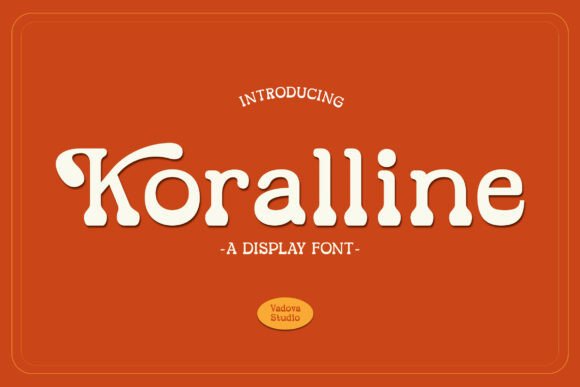
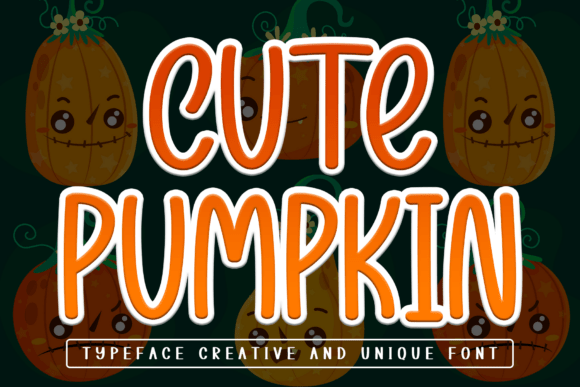
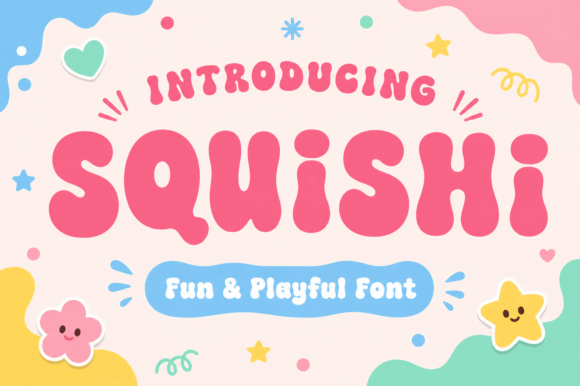
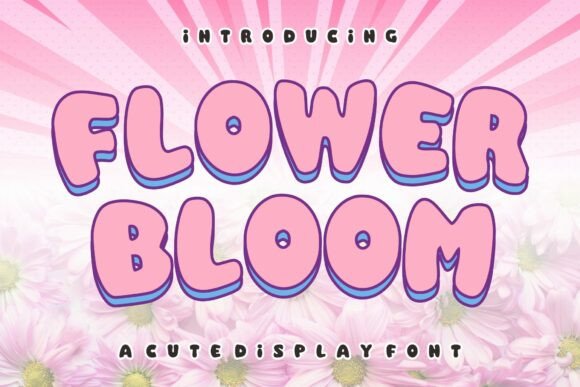
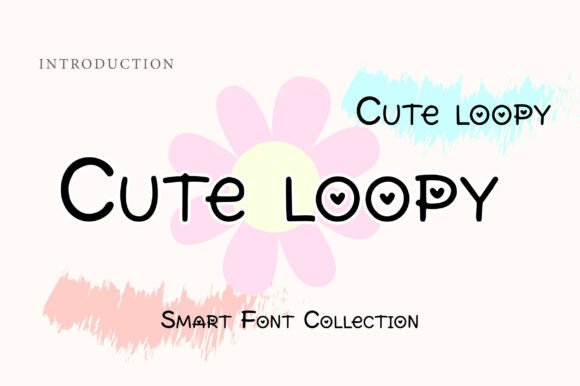
When we talk about "Cute Loopy," we aren't just describing a mood; we are looking at a specific category of design asset that serves a very practical purpose. This style of display font is characterized by its rounded strokes, casual handwritten shapes, and playful details—often featuring decorative elements like hearts or swirls integrated directly into the letterforms. It’s a typeface that doesn't take itself too seriously, yet it works incredibly hard for brands that want to appear approachable, friendly, and trustworthy. For designers and business owners, understanding how to wield this kind of charm is a skill that pays off in audience engagement.
Visual Characteristics That Connect with Audiences
There is a psychological reason why we are drawn to handwritten, rounded typography. Sharp angles and rigid structures can imply efficiency and authority, but they can also feel cold. Rounded, loopy letterforms mimic the organic flow of handwriting. They suggest human presence behind the screen or the page. When you use a font like Cute Loopy, you are utilizing rounded strokes and casual shapes that instantly soften the visual experience for the viewer.
One of the standout features of this particular typeface style is the treatment of specific characters, notably the "O." In many creative display fonts, the counter (the enclosed space inside the letter) might be standard, but in loopy, doodle-style fonts, these spaces often become canvases for fun details. You might see hearts, stars, or simple loops that give the text a kawaii aesthetic. This isn't just decoration; it creates a rhythm in the text that keeps the eye moving. It feels light and charming, perfect for designs that need to convey joy without being overwhelming.
However, because this is a display font, it comes with a specific set of rules regarding usage. It is not designed for body copy. You wouldn't want to write a long paragraph or a technical manual in a loopy, handwritten style because the eye would fatigue quickly. Instead, it is a premium font best reserved for headers, logos, subheadings, and call-outs. Its strength lies in its ability to grab attention immediately, setting the tone for the content that follows.
Practical Applications for Modern Branding
How does this translate into real-world projects? If you are a small business owner or a creative entrepreneur, the applications are vast. The key is matching the typography to the specific goal of the project.
Packaging and Product Labels: Imagine a line of homemade candles, artisanal cookies, or organic skincare. If the packaging uses a stiff, corporate sans-serif, it might feel mass-produced. Swapping that for a hand-drawn font like Cute Loopy on the label instantly communicates that the product is crafted with care. It suggests a personal touch, which can justify a premium price point and build brand loyalty.
Children’s Products and Education: This is perhaps the most natural fit. From school worksheets to children's book covers, the playful doodle style engages younger audiences effectively. It feels safe, fun, and accessible. For teachers creating classroom resources or parents designing party invitations, this style removes the intimidation factor of text and makes reading feel like a game.
Digital Marketing and Social Media: In the fast-paced world of Instagram and TikTok, stopping the scroll is everything. A bold, loopy header on a quote graphic or a thumbnail can add personality that stock photos cannot. It helps in building a cohesive brand identity. If you are a lifestyle blogger or a YouTuber, using this font consistently across your thumbnails and graphics helps your audience recognize your content immediately, even before they read the title.
Pairing and Professional Presentation
One of the biggest mistakes I see with creative fonts is isolation. Using a highly stylized font for every single element of a design creates chaos. To maintain a professional presentation and ensure readability, you must master the art of font pairing.
Because Cute Loopy is a display typeface with high personality, it demands a partner that is grounded and neutral. Think of it as a conversation between an enthusiastic storyteller and a calm listener.
- Pair with Sans Serif: A clean, geometric sans-serif font works beautifully. The simplicity of the sans-serif provides a visual rest for the eyes, allowing the loopy details of the header to pop without competing for attention. This is a classic combination for modern web design and editorial layouts.
- Pair with Serif: For a slightly more vintage or editorial vibe, a light serif can work, provided it isn't too ornate. The contrast between the structured serifs and the organic loops creates an interesting visual tension that looks sophisticated yet playful.
When testing your pairings, always look at the hierarchy. The handwritten font should usually be larger and used sparingly. If you are designing a poster, the main headline might be in the loopy font, but the date, time, and location details should be in a legible sans-serif. This ensures that the design is not only cute but also functional. You want your audience to feel the vibe, but they also need to know where the event is happening.
Readability and Licensing Considerations
While the aesthetic is important, we cannot ignore the technical side of design assets. As a designer or business owner, you have to consider how the font renders across different devices. A handwritten font might look gorgeous on a high-resolution monitor but become muddy on a small mobile screen if the details are too fine.
Before finalizing a design with a premium font like Cute Loopy, always test it at the size it will be viewed. If it is for a website header, view it on both desktop and mobile. If it is for print, print a test page. Sometimes, the adorable loops in the "O" might close up if the text is too small. In those cases, you may need to increase the font size or add more letter spacing (tracking) to let the characters breathe.
Furthermore, always check the licensing. If you are creating a logo for a client or selling merchandise (like t-shirts or mugs), you need to ensure you have the appropriate commercial license. Many fonts available for download are for personal use only. Using a font commercially without the right license is a legal risk that no business should take. A high-quality typeface is an investment in your brand's legal safety and visual integrity.
Creative Freedom in DIY and Crafts
Beyond the corporate and digital sphere, there is a massive community of crafters and hobbyists who rely on these types of fonts for personal joy. If you are creating planner stickers, scrapbooking layouts, or custom greeting cards, the right font changes the entire project.
A font like Cute Loopy allows you to mimic the look of hand-lettering without needing years of calligraphy practice. It provides consistency—every "a" and "b" will look the same, which creates a polished look for DIY projects. Whether you are using a Cricut or Silhouette machine to cut vinyl decals or simply printing labels for your pantry organization, the loopy, hand-drawn aesthetic brings a cohesive, homemade feel that is incredibly popular in the crafting community.
Ultimately, choosing a typeface is about storytelling. It’s about finding a voice for your visual content. Whether you are launching a new brand identity, refreshing your social media strategy, or simply making a birthday card for a friend, fonts like Cute Loopy offer a way to inject warmth and humanity into the pixels and ink. It reminds us that design doesn't always have to be serious; sometimes, it just needs to be a little loopy to make a connection.