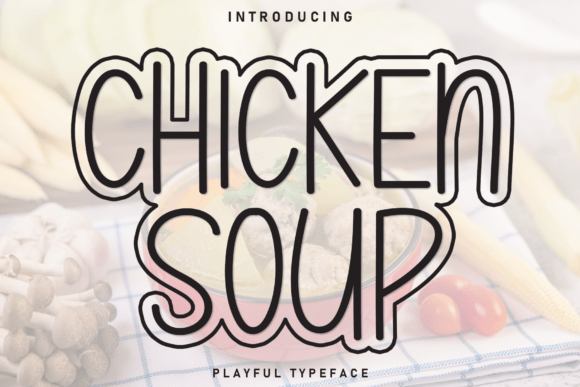
Chicken Soup: A Font That Feels Like a Warm Embrace
There are certain design assets that don't just sit on a page; they evoke a feeling. Think of the cozy satisfaction of a homemade meal, the gentle flicker of a candle, or the soft texture of a well-loved blanket. This is the emotional territory that the Chicken Soup font masterfully occupies. More than just a set of characters, it is a meticulously crafted handwritten display font designed to inject genuine warmth, personality, and a touch of whimsical charm into your creative work. Its soft, rounded strokes and organic imperfections create an immediate sense of approachability, making it a powerful tool for anyone looking to connect with their audience on a more human level.
Understanding Its Handwritten Charm
What sets this typeface apart in a sea of digital fonts is its authentic, hand-lettered quality. It avoids the sterile perfection of many modern fonts, embracing instead the subtle variations and flowing lines that mimic real ink on paper. This isn't a chaotic scrawl; it's a carefully balanced script that maintains excellent legibility while radiating a friendly, artisanal vibe. The gentle curves and soft baseline give it a relaxed, confident rhythm. It’s the kind of font that feels personal, as if it were written just for the viewer, which is a priceless quality in effective visual communication.
This character makes it exceptionally versatile. It doesn't scream for attention but rather invites the viewer in. Its strength lies in its ability to add a layer of sentiment without overwhelming the core message. For a small business owner, this means a logo that feels trustworthy and genuine. For a content creator, it means social media graphics that stand out with a unique, handmade touch. It bridges the gap between professional polish and heartfelt expression, a balance that is often difficult to achieve.
Where This Typeface Truly Shines: Practical Applications
The true test of any creative font is its real-world utility. Chicken Soup excels across a surprising range of projects, proving its worth as a versatile design asset. Consider how its personality can transform different mediums:
- Branding & Logo Design: Perfect for businesses that want to project warmth and authenticity. Think boutique bakeries, artisan coffee shops, wellness coaches, handmade craft sellers, or family-run restaurants. A logo set in this typeface immediately tells a story of care and personal touch.
- Packaging & Merchandise: On product labels, boxes, or tote bags, it adds a charming, boutique feel. It’s ideal for highlighting product names or taglines, making items on a shelf feel more special and considered.
- Digital Presence: For websites and blogs, use it for headlines, pull quotes, or section titles to break the monotony of body text. On social media, it’s a game-changer for Instagram stories, Pinterest pins, and Facebook posts, creating graphics that feel engaging and shareable.
- Print & Editorial: It brings life to wedding invitations, greeting cards, event posters, and magazine layouts. In editorial design, it can be used for feature article titles or chapter headings in lifestyle publications, adding a personal editorial voice.
- Marketing & Digital Products: From email newsletter headers to eBook covers and online course materials, it helps create cohesive, visually appealing marketing assets that feel less corporate and more conversational.
Integrating It Into Your Design Workflow
Adopting a new display font like Chicken Soup requires a thoughtful approach to ensure it enhances, rather than hinders, your project's goals. Here’s how to use it effectively:
Font Pairing is Key. A handwritten font rarely works well as the sole typeface for body copy. Its magic is amplified when paired with a clean, simple companion. For a balanced look, pair it with a neutral sans serif font like Open Sans or Lato for paragraphs. For a more classic or elegant contrast, a gentle serif font like Lora or Merriweather can create a beautiful hierarchy. Always test your pairings to ensure visual harmony and clear readability.
Prioritize Readability. While charming, display fonts are best used at larger sizes. Reserve Chicken Soup for headlines, logos, short phrases, and accent text. Avoid setting long sentences or body copy in it, as the intricate letterforms can become difficult to read in small blocks, especially on screens. Always view your designs at the intended output size—whether on a mobile phone or a printed poster—to check for legibility.
Review All Included Styles. A quality premium font often comes with more than just the basic characters. Check if Chicken Soup includes stylistic alternates, ligatures, or multiple weight options. These extras allow for greater customization, helping you avoid repetitive letter shapes and create a more organic, custom look for your brand identity.
Consider the Commercial License. If you're using the font for client work, merchandise, or any project that generates revenue, ensure you have the correct commercial font license. This is a standard practice in professional design that protects both you and the font creator. Reputable font marketplaces will clearly outline the licensing terms.
A Tool for Connection, Not Just Decoration
Ultimately, the value of a typeface like Chicken Soup lies in its ability to foster connection. In a digital landscape saturated with generic visuals, it offers a way to stand out with authenticity. It’s not about following a trend but about choosing a tool that aligns with the emotional core of your message. Whether you're a designer building a brand identity for a client, an entrepreneur crafting your own visual story, or a hobbyist creating heartfelt projects, this font provides a foundation for work that feels genuine, warm, and deeply engaging. It’s a reminder that the best design often feels less like it was made by a machine and more like it was made with care.