Creative Alphabet: A Font with Whimsical Charm and Practical Magic
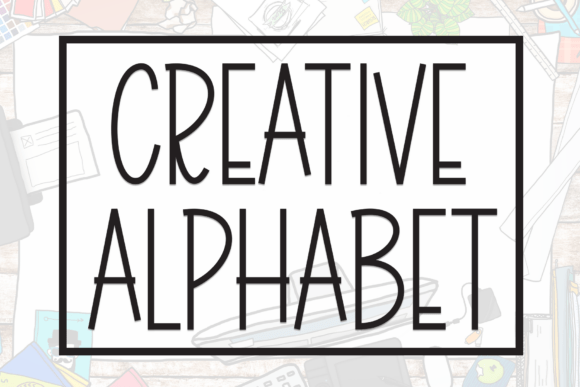
There's a certain magic in a typeface that feels both playful and purposeful—the kind that doesn't just sit quietly on a page but brings a gentle, approachable energy to whatever it touches. That's the sensation you get with Creative Alphabet. At first glance, it might remind you of the joyful imperfection of hand-lettering, but look closer and you'll notice something more refined: tall, narrow letterforms that stand with a kind of elegant confidence, soft curves that balance out its vertical strokes, and a minimalist clarity that keeps it from feeling cluttered. It's a handwritten display font, yes, but one designed with intention—meant to be as functional as it is fun.
More Than Just a Pretty Typeface
What sets this font apart isn't just its visual personality—it's how that personality translates into real-world use. If you've ever struggled to find a typeface that feels friendly without being childish, or creative without sacrificing legibility, you'll understand the appeal. The uppercase letters, for instance, have a subtle asymmetry that gives them character, yet they maintain a consistent rhythm that makes extended reading easy. The spacing between letters is generous and airy, which means it doesn't feel cramped even when used in longer phrases or sentences.
This balance makes it surprisingly versatile. It's the kind of premium font you could use for a boutique bakery's logo and then carry through to their packaging, social media posts, and in-store signage—without it ever feeling repetitive or out of place. It has enough personality to anchor a brand identity, yet remains neutral enough to pair well with other typefaces—whether that's a clean sans serif for body text or a more traditional serif for editorial layouts.
Where Creativity Meets Strategy
Let's talk about practical applications, because a font is only as good as how you use it. For small business owners or entrepreneurs, typography is often one of the first touchpoints a customer has with a brand. The right typeface can communicate tone, values, and professionalism in an instant. Creative Alphabet, with its modern yet approachable vibe, works particularly well for brands that want to project warmth and authenticity—think handmade goods, wellness services, educational products, or creative studios.
Imagine it on a set of artisanal jam labels, where its playful construction complements the homemade aesthetic. Or picture it as the headline font on a yoga studio's website, where its relaxed elegance mirrors the calming environment. It's equally at home on social media graphics—think Instagram quotes, Pinterest pins, or Facebook ads—where its readability and visual appeal help content stand out in a crowded feed.
For content creators and bloggers, this typeface can bring a cohesive look to digital products like e-books, worksheets, or online course materials. Its clean lines ensure it remains legible even at smaller sizes, which is crucial for screens and printed handouts alike. And because it includes PUA encoding, all the special characters and decorative elements are easily accessible—no extra software or technical workarounds needed.
Pairing, Testing, and Licensing—The Practical Side
Of course, choosing a font is only part of the process. How you pair it with other typefaces, how you test it across different mediums, and how you license it for commercial use—these are the details that separate good design from great design.
When it comes to font pairing, contrast is your friend. A handwritten display font like Creative Alphabet pairs beautifully with a neutral sans serif or a simple serif font. The key is to let it shine as the focal point—use it for headlines, logos, or short bursts of text—while relying on a more understated typeface for longer paragraphs. This creates visual hierarchy and keeps your design from feeling overwhelming.
Testing is another step that's often overlooked. Before committing to a font for a large project, try it out in context. Mock up a business card, a social media post, or a product label. Check how it looks at different sizes, on different backgrounds, and in both digital and print formats. Pay attention to readability—especially if you're using it for body text or in situations where clarity is paramount, like instructional materials or signage.
And then there's licensing. If you're using a font for commercial purposes—whether for client work, merchandise, or digital products—it's important to understand what's allowed. Many premium fonts, including this one, come with clear licensing terms that outline permitted uses. Taking the time to review these details upfront can save you from headaches down the road.
A Font That Adapts to Your Vision
One of the most compelling things about a well-crafted typeface is its ability to adapt. The same font that feels whimsical on a child's birthday invitation can feel sophisticated on a wedding program, depending on how it's styled and paired. Creative Alphabet, with its blend of playfulness and precision, is a great example of this flexibility.
It's not just for designers, either. Educators might find it useful for classroom decor, where its friendly demeanor makes learning materials more engaging. Crafters could use it for DIY projects—personalized mugs, tote bags, or wall art—where its handcrafted feel adds a personal touch. And for marketers, it's a tool for creating campaigns that feel human and relatable, without sacrificing professionalism.
In the end, the best typefaces are those that feel invisible in their function yet unmistakable in their effect. They don't just carry words—they carry meaning, emotion, and intent. And while no single font can do everything, finding one that aligns with your creative goals can make all the difference. Whether you're building a brand, designing a product, or simply exploring the world of typography, having a versatile and visually appealing font in your toolkit is always a wise investment.