Killer Horror Font: Crafting Unforgettable Spooky Designs
There’s a particular moment in design when you need type that doesn’t just sit there—it needs to lunge. Whether you are promoting a haunted house, launching a seasonal product line, or creating merchandise for a metal band, standard corporate fonts like Helvetica or Arial simply won’t cut it. You need something with jagged edges, visual weight, and a personality that commands attention immediately. This is where a premium display font specifically designed for impact becomes an essential asset in your toolkit. It bridges the gap between a simple message and a terrifying visual experience.
Visual Characteristics and Distinct Style
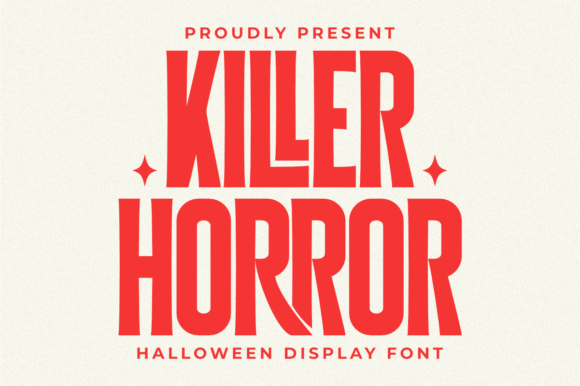
What sets this typeface apart from generic spooky fonts is its construction. It is a bold, condensed display font that prioritizes legibility while maintaining a menacing aesthetic. The design features sharp serifs and a slightly distorted look, reminiscent of classic horror movie posters from the 80s and 90s. Unlike overly complex "blood drip" fonts that become unreadable at small sizes, this typeface uses high-contrast strokes and tight kerning to create a wall of text that feels heavy and imposing.
The visual appeal lies in its versatility as a serif font alternative for dark themes. It captures the essence of a "killer" title card without relying on cheap tricks. The condensed nature allows you to fit more characters into a headline, making it perfect for long movie titles or event names. When you look at the letterforms, you see a balance between modern typography efficiency and gritty, vintage horror aesthetics. It feels aggressive yet controlled, allowing designers to use it for both chaotic layouts and structured, professional branding.
Practical Applications Across Industries
The utility of a font like this extends far beyond Halloween party invitations. For creative entrepreneurs and small business owners, understanding where to apply a strong display font can transform a mediocre campaign into a viral sensation. Here is how different professionals can leverage this typeface:
- Branding and Logo Design: If you are launching a brand with an edge—think escape rooms, specialty hot sauces, or tattoo studios—this font serves as a powerful anchor for your brand identity. It creates an immediate emotional reaction, signaling to customers that your brand is bold and uncompromising.
- Packaging Design: On a shelf crowded with competitors, typography is your first line of defense. Using a distinct, horror-inspired font for product headers can draw the eye instantly. It works exceptionally well for limited edition runs, seasonal flavors, or merchandise packaging where the "cool factor" drives sales.
- Merchandise and Apparel: T-shirt design relies heavily on graphic impact. A condensed, heavy font prints well on fabric and remains legible from a distance. It is ideal for tour shirts, band merch, or streetwear brands that want to incorporate a dark, gritty vibe into their collections.
- Event Promotions: From music festivals to haunted attractions, event posters need to scream for attention. This font ensures that your event name is the first thing people read, setting the mood before they even process the date and location.
- Digital Assets and Social Media: In the fast-scrolling environment of social media, you have milliseconds to capture interest. Bold, textured typography in Instagram stories, YouTube thumbnails, or TikTok overlays stops the scroll. It provides the necessary contrast to make text pop against complex video backgrounds.
Enhancing Design Strategy and Brand Recognition
Choosing the right typeface is a strategic decision, not just an artistic one. When you utilize a distinct font like Killer Horror, you are investing in visual consistency. If a customer sees your bold, jagged typography on a social media post and then sees the same style on your website, the connection is instant. This repetition builds brand recognition.
Furthermore, using a specialized display font helps separate your content from the noise. Most blogs and websites stick to safe, web-friendly fonts. By incorporating a custom typeface into your headers or featured images, you signal to your audience that you pay attention to details. It elevates the professional presentation of your work, making a small business look like an established industry player. It tells a story of quality and intentionality, which is crucial for building trust with a new audience.
Technical Considerations and Best Practices
While the aesthetic is paramount, practical application requires some technical savvy to ensure your design remains effective. Here are some professional tips for working with a bold, condensed display font:
- Prioritize Readability: Because this is a display typeface, it is designed for large sizes. Avoid using it for long paragraphs of body text, as the sharp serifs and condensed shape can cause eye strain at small sizes. Stick to headlines, sub-headers, and pull quotes. For body copy, pair it with a clean sans-serif font or a simple serif font that offers high readability.
- Master Font Pairing: The best designs use contrast. If your headline is using Killer Horror, your body text should be something neutral. A geometric sans-serif often pairs well, providing a clean break from the chaotic energy of the headline. This hierarchy guides the reader’s eye naturally from the title to the content.
- Check Your Licensing: Before deploying this font in a massive commercial campaign, always review the licensing terms. Most premium fonts offer different tiers for personal use versus commercial use. Ensure your license covers your specific application, whether it's for physical merchandise, digital products, or software embedding.
- Review Included Styles: High-quality fonts often come with more than just the standard letters. Look for alternates, ligatures, and dingbats included in the package. These extras allow you to customize the look of specific words, making your design feel truly unique and hand-crafted rather than generic.
Real-World Value for Creators
Ultimately, the goal of any design asset is to solve a problem or enhance a project. For a blogger writing about horror movies, this font adds authenticity to their headers. For a marketer promoting a "killer sale," it adds urgency and excitement. For a graphic designer, it is a versatile tool that expands their creative range.
Investing in high-quality typefaces is one of the smartest moves a creative professional can make. It saves time that would otherwise be spent searching for free, lower-quality alternatives that often lack the necessary licensing for commercial work. With a font like this, you have a reliable, professional tool ready to go whenever a project calls for something dark, bold, and unforgettable. It ensures that your message isn't just read—it is felt.