Nautica: A Futuristic Font for Sharp, Modern Branding
There’s a specific kind of energy that comes from a design that feels both forward-thinking and grounded in quality. You see it in a sleek product launch, a high-end fashion magazine, or the branding of a tech startup that just gets it. That energy often starts with typography. It’s the silent ambassador of a brand’s personality, and choosing the right one is a foundational creative decision. If your project calls for a voice that is confident, contemporary, and clean, the Nautica typeface is a compelling option worth exploring.
Understanding the Visual DNA of Nautica
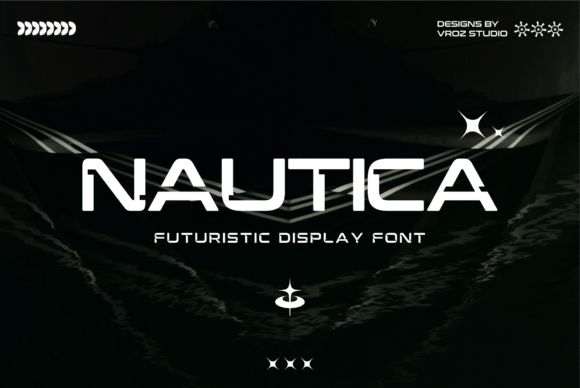
Nautica is best described as a futuristic display font. Its design language is built on sharp geometric corners and a sleek, streamlined form. Think of it as the typographic equivalent of a modern architectural marvel or a precision-engineered vehicle. The letters have a clear, confident structure with a sense of movement and innovation. This isn’t a font that whispers; it makes a statement. Its strength lies in its ability to look both technical and stylish, avoiding the cold, sterile feel some geometric fonts can have. The result is a typeface that feels cutting-edge yet surprisingly versatile for a range of creative applications.
This particular style of modern typography excels in contexts where first impressions are paramount. When someone glances at a logo, a poster, or a website header, the font communicates volumes before a single word is fully read. Nautica communicates sophistication, progress, and a keen eye for design. It’s a creative font that serves as a powerful design asset, especially when you need to align a visual identity with concepts of innovation, luxury, or contemporary culture.
Where Nautica Truly Shines: Practical Applications
Knowing a font looks great is one thing; understanding where to use it effectively is where the real value lies. Let’s break down some practical scenarios where Nautica’s personality can elevate your work.
Branding and Logo Design: This is arguably Nautica’s home turf. For startups in tech, finance, or sustainable innovation, it offers a fresh take on a sans serif font that avoids looking generic. For lifestyle brands, fashion labels, or premium product lines, its sleekness can convey exclusivity and modern taste. A logo set in Nautica can become a memorable mark that stands out on packaging, business cards, and digital platforms. Its geometric clarity ensures it scales beautifully from a tiny favicon to a large storefront sign.
Digital and Web Presence: In the fast-paced world of web design and social media, grabbing attention is half the battle. Nautica is perfect for bold blog headers, compelling title quotes on Instagram graphics, and eye-catching YouTube thumbnails. It can serve as a powerful headline font for a website, paired with a more neutral serif font or sans serif font for body text to ensure readability. For digital products like e-books or online courses, using Nautica for chapter titles or key takeaway slides can create a professional and engaging visual experience for your audience.
Print and Physical Materials: The utility of a great display font extends far beyond the screen. Nautica is an excellent choice for packaging design where shelf appeal is critical. Imagine it on a minimalist coffee bag, a premium skincare box, or a tech gadget package. It’s equally at home on posters for events, advertisements, and high-impact postcards. For editorial design, it can bring a dynamic energy to magazine covers and feature article titles. Even for smaller projects like wedding invitations or business stationery, it can add a touch of contemporary elegance.
Integrating Nautica into Your Design Workflow
Adopting a new typeface into your toolkit is about more than just liking its look. It’s about understanding how it functions and how it interacts with other elements in your design system. Here’s some practical advice for working with Nautica.
Font Pairing is Key: A display font like Nautica is most effective when used strategically—typically for headlines, logos, and prominent text. The real magic often happens in how you pair it. For body copy, you’ll want a highly legible font that complements without competing. A clean, simple sans serif font like Montserrat or Open Sans can create a harmonious modern look. For a more classic, editorial contrast, pairing it with a readable serif font like Lora or Merriweather can create a beautiful hierarchy. Always test your pairings in context to see how they feel together.
Consider Readability and Hierarchy: While Nautica is crafted for clarity, its geometric nature means it’s best used at larger sizes for headlines, logos, and short bursts of impactful text. For long paragraphs of body copy, a font specifically optimized for sustained reading is a wiser choice. Use Nautica to draw the eye and establish a visual hierarchy, then let a complementary font handle the detailed information. This approach improves overall readability and professional presentation.
Review the Included Styles: A quality premium font often comes with multiple weights or styles—like light, regular, and bold. These variations are not just extras; they are essential tools. A lighter weight of Nautica can feel elegant and airy, while a bolder weight delivers maximum impact and authority. Using different weights from the same family is one of the simplest ways to create depth and organization within a design without introducing visual clutter.
Licensing for Commercial Projects: This is a critical, practical step. If you’re using Nautica for a client project, a product you sell, or business marketing materials, you must ensure you have the appropriate commercial font license. Most premium fonts require a specific license for commercial use, which is separate from a personal license. Always review the licensing terms provided with the font to avoid legal issues down the line. It’s a fundamental part of respecting the work of font designers and protecting your own projects.
A Tool for Specific Creative Goals
Ultimately, a typeface is a tool. Nautica is a specialized tool designed for a particular job: to inject a sense of the future, precision, and sleek modernity into a project. It’s not the right choice for a vintage bakery or a traditional law firm, but for a cutting-edge app, a fashion-forward brand, a design portfolio, or a marketing campaign targeting a style-conscious audience, it can be the perfect fit. The key is to match the font’s personality to your project’s goals and your audience’s expectations. By doing so, you leverage typography not just as decoration, but as a core component of your brand identity and visual communication strategy.