Pinky Funky: The Puffy, Playful Font That Brings Street Style to Life
Remember the bold, inflated graphics on early 2000s skateboard decks or the playful, three-dimensional lettering on hip-hop album covers? There's a specific kind of energy in that aesthetic—unapologetically fun, a little rebellious, and bursting with personality. Capturing that vibe in modern design can be tricky, but a font like Pinky Funky does it with remarkable ease. This isn't just another display typeface; it's a direct line to a street-art-inspired look that feels both nostalgic and fresh, making it a standout asset for creators looking to inject some authentic, youthful energy into their work.
More Than Just a Puffy Font: Understanding Its Visual DNA
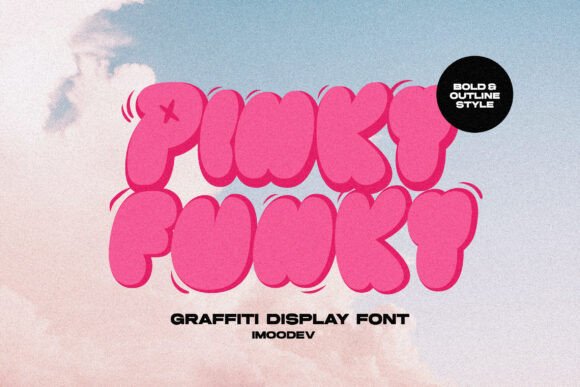
At its core, Pinky Funky is a graffiti-style display font. The characters are rounded, inflated, and puffy, creating a convincing 3D effect that pops off the page or screen. This isn't a subtle, minimalist typeface. Its irregular shapes and informal structure are deliberate, contributing to its street-style authenticity. The font comes in two essential variations: a solid regular style for impactful fills and a clean outline style that defines the shape without the bulk, offering flexibility for layering and effects. This duality makes it a practical choice for a range of applications, from bold headlines to more detailed graphic elements where you need the shape without overwhelming the composition.
The real strength of a creative font like this is its immediate communicative power. It doesn't just spell out words; it conveys an attitude. The rounded, soft edges make it feel approachable and fun, while the graffiti roots give it an edge of cool, counter-culture appeal. This combination is perfect for projects that need to speak to a younger demographic or tap into pop culture, music, and streetwear communities. It’s a premium font that solves a specific design challenge: how to look energetic and authentic without resorting to clichés.
Where Pinky Funky Truly Shines: Practical Applications
Thinking about where to use such a distinctive typeface is key. Its value isn't in setting long paragraphs of body copy, but in making a statement. Here’s how it can serve different creative and commercial needs:
- Brand Identity & Logo Design: For a streetwear label, a music festival, a skate shop, or a youth-focused tech brand, Pinky Funky can become the cornerstone of a memorable logo. Its 3D quality ensures the brand mark is instantly recognizable and full of personality. Use the outline version for a cleaner, more versatile logo mark that can be easily embroidered or printed in single color.
- Packaging & Merchandise: Imagine this font on a limited-edition sneaker box, a beverage can for a new energy drink, or the tag for a clothing line. It turns packaging into a piece of art. For merchandise like T-shirts, hoodies, and stickers, it’s a natural fit, directly aligning with the aesthetics of the products themselves.
- Marketing & Social Media: In the fast-scroll world of social media, you have seconds to grab attention. Pinky Funky is perfect for bold Instagram post headers, YouTube video thumbnails, or TikTok text overlays. It helps create a cohesive and energetic visual feed that stands out. For posters and event flyers—especially for concerts, club nights, or pop-up markets—it provides the necessary visual punch.
- Digital & Editorial Design: While not for body text, it works wonderfully for chapter titles in a youth-culture magazine, website headers for a music blog, or section breaks in an editorial layout. Paired with a clean sans serif font for body copy, it creates a dynamic hierarchy that guides the reader’s eye.
- Invitations & Digital Products: Think outside the box. A birthday invitation for a teen, a graphic for a Discord server, or the cover for a digital planner aimed at creatives—these are all spaces where Pinky Funky’s playful vibe can add a huge dose of fun and engagement.
Making It Work: Pairing, Readability, and Professional Use
Using a display font effectively is about balance. You wouldn't build an entire house out of neon paint; you use it as an accent. The same principle applies here.
Font Pairing is Everything. Pinky Funky demands a partner that can step back and let it be the star. A neutral, geometric sans serif like Montserrat or Inter provides excellent contrast and ensures your message remains clear. For a more curated, designerly feel, pairing it with a simple serif font can create an interesting tension between street style and classic elegance. Always test your pairings in context—mock up a social media post or a product label to see how the fonts interact visually.
Readability Comes First. Because of its stylized nature, this font is best used for headlines, logos, and short phrases. Avoid using it for any text that needs to be read quickly or in small sizes, like contact information or disclaimers. Its strength is in visual impact, not nuanced readability. Always consider the medium; a font that looks great on a large poster might become muddy when scaled down for a business card.
Review Your License and Styles. Before purchasing any commercial font, always check the licensing agreement. Ensure it covers your intended use, whether for a personal blog, client work, or merchandise for sale. A reputable foundry will be clear about this. Also, take the time to explore the included styles. Understanding how to use the regular and outline versions together opens up creative possibilities, like creating a drop-shadow effect or a multi-layered design.
Ultimately, a typeface like Pinky Funky is a specialized tool in your design assets kit. It’s not the right choice for a law firm’s annual report, but for a project that needs to channel the energy of street art, retro Y2K aesthetics, or pop culture, it’s incredibly effective. It helps build visual consistency for a brand targeting a specific audience, boosts brand recognition through its unique character, and drives audience engagement by speaking their visual language. When used thoughtfully, it’s more than just a fun font—it’s a strategic component of a larger creative vision.