Sign Ron: Crafting Authentic Vintage Character
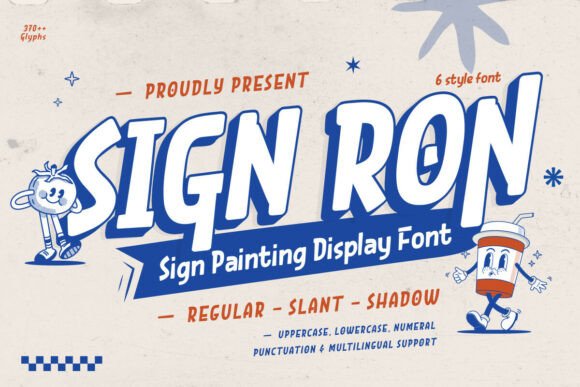
There’s a certain magic in a hand-painted storefront sign. It speaks of craftsmanship, care, and a timeless aesthetic that digital fonts often struggle to replicate. For designers and creators yearning to inject that authentic, vintage soul into their work, the right typeface is essential. Enter Sign Ron, a classic sign painting display font designed to deliver bold character and versatile functionality. This isn't just another retro-styled font; it's a toolkit built for real-world projects, from branding systems to event posters, offering the nuanced feel of a sign painter's brush with the precision of modern digital design.
More Than Just a Vintage Vibe
At its core, Sign Ron captures the essence of mid-century sign painting. Its letterforms feature elegant curves and impactful strokes that feel genuinely hand-crafted, avoiding the sterile perfection of many digital fonts. This inherent character makes it a powerful asset for any project requiring a touch of nostalgia or artisanal quality. The font family includes four distinct styles—Regular, Slant, Shadow Regular, and Shadow Slant—each serving a specific creative purpose. The Regular and Slant styles provide the foundational character, perfect for clean headlines and logo work. The true versatility, however, comes alive with the shadow variations. These styles allow you to create instant depth and a standout 3D effect, adding a layer of visual interest that can make a design pop off the page or screen. This layered approach to typography is a hallmark of professional display font design, offering creative flexibility without needing additional design software.
Where Your Project Comes to Life
The practical applications for a creative font like this are vast. Its bold, artistic flair makes it a natural fit for projects where grabbing and holding attention is key. Consider its use across these common design scenarios:
- Branding & Logo Design: A logo sets the entire tone for a business. Using Sign Ron can instantly communicate a brand identity rooted in craftsmanship, tradition, or a friendly, approachable vibe. Think artisan bakeries, craft breweries, vintage clothing shops, or boutique hotels. The font’s personality does a lot of the heavy lifting in brand recognition.
- Packaging Design: On a crowded shelf, packaging needs to tell a story quickly. The hand-painted feel of this typeface lends authenticity to product labels, boxes, and tags, suggesting quality and care. It’s particularly effective for gourmet foods, specialty coffee, or handmade goods.
- Print & Environmental Graphics: For menus, posters, and event invitations, the font ensures readability at a glance while setting a specific mood. The shadow styles are ideal for creating impactful headlines on posters or eye-catching details on a restaurant menu.
- Digital Presence: Don’t limit this premium font to print. It can transform a website’s hero section, make social media graphics more engaging, and add personality to digital products like e-books or online course materials. Using it for blog post titles or featured quotes can significantly boost visual consistency and reader engagement.
Matching Font to Function
Choosing the right style from the family is crucial for achieving your project goals. A common question is: when should you use the shadow versus the regular version?
Use the Regular or Slant styles when you need clarity and a strong, singular voice. They work beautifully for logos, primary headlines, and any context where the text needs to be the clear focal point without visual complexity. The Slant adds a dynamic, energetic feel, perfect for conveying motion or a casual tone.
The Shadow Regular and Shadow Slant are your tools for drama and dimension. They excel in settings where you want the typography to make a bold statement, such as on a poster, a website banner, or merchandise like t-shirts. The built-in shadow creates that sought-after 3D effect effortlessly, saving you time in post-production. A practical tip: when using the shadow styles, ensure there is sufficient contrast between the text and the background color to maintain readability and let the shadow detail shine.
Integrating Sign Ron into Your Design Workflow
Adopting any new design asset, especially a commercial font, requires some thoughtful integration. Here’s how to make the most of it:
- Test Pairings Thoughtfully: A bold display font like this often pairs best with simpler, cleaner typefaces. Try combining it with a neutral sans serif font for body text or subheadings. This contrast creates visual hierarchy and ensures your design remains balanced and easy to read. Avoid pairing it with other overly decorative fonts, which can create visual clutter.
- Consider the Context: Always view your typography in the context of the entire project. A font that looks stunning on a large poster might be less effective in a small caption. Sign Ron is designed for impact, so use it where it can breathe—at larger sizes for headlines and display text.
- Review Licensing: For any project with commercial intent, from client work to products you sell, verifying the font’s licensing is non-negotiable. Ensure the license covers your specific use case, whether for digital products, print-on-demand merchandise, or client branding. This professional step protects you and respects the work of the font’s creators.
Ultimately, a font is more than just a set of letters; it's a voice. Sign Ron offers a voice that is confident, nostalgic, and deeply connected to a tradition of skilled artistry. By understanding its strengths and applying it with intention, you can harness its vintage charm to create designs that don’t just look good, but feel genuinely authentic and memorable. It’s a valuable asset for anyone looking to bridge the gap between classic craftsmanship and contemporary design needs.