Thick Outline: A Bold Display Font for Maximum Impact
You know that feeling when a design just needs to shout? Not in a messy, chaotic way, but with confident, unmissable presence. That's the exact space a font like Thick Outline occupies. It's not for whispering subtle messages; it's for making a statement that's both playful and powerful. With its bold strokes and clean, rounded edges, this typeface immediately grabs attention, making it a secret weapon for anyone looking to inject serious visual energy into their work. Whether you're a designer crafting a brand identity or a small business owner creating your own packaging, understanding how to use a display font like this can transform your projects from forgettable to fantastic.
Why This Typeface Cuts Through the Noise
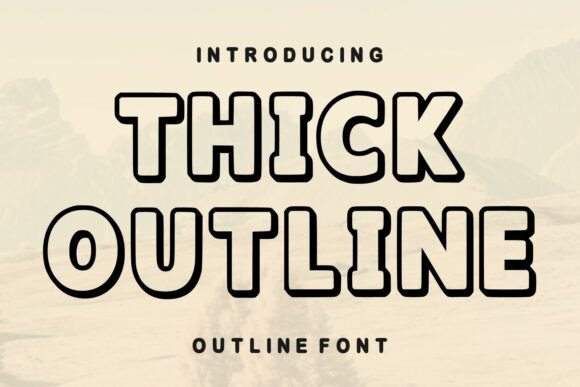
In a sea of thin, minimalist sans-serifs and delicate scripts, a thick outlined font offers a refreshing dose of personality. Its visual appeal lies in that perfect balance: the substantial weight gives it authority, while the open outline keeps it from feeling heavy or oppressive. The rounded edges soften the impact, adding a touch of friendliness and approachability. This combination makes it incredibly versatile. It can feel retro and fun for a poster, modern and sleek for a tech startup's logo, or artisanal and bold for craft packaging. The key is its inherent clarity—even at a glance, the letterforms are distinct and easy to recognize, which is crucial for any design that needs to communicate quickly.
Practical Applications Across the Creative Spectrum
So, where does a font like Thick Outline truly shine? Its strength is in high-visibility applications where you need to establish hierarchy and capture interest instantly. Think about these real-world scenarios:
- Logo Design & Brand Identity: It's a standout choice for logos that need to be recognizable and memorable. Paired with a simpler sans-serif for body text, it creates a dynamic and professional brand system. For a coffee shop, a fitness brand, or a creative agency, it sets an unmistakable tone.
- Packaging & Labels: On a shelf crowded with products, a thick outlined font on your box or label acts like a visual magnet. It's perfect for product names, flavor descriptions, or taglines. It works exceptionally well for artisanal foods, cosmetics, children's products, or any item where shelf appeal is everything.
- Posters, Flyers & Event Graphics: This is a natural habitat for a bold display typeface. Whether it's for a music festival, a community fair, a sale announcement, or a motivational print, the font ensures your headline is the first thing people see and read.
- Social Media Graphics: In the fast-scrolling world of Instagram, TikTok, and Pinterest, you have milliseconds to make an impression. Using Thick Outline for key text in stories, posts, or video thumbnails can dramatically increase engagement and stop the scroll.
- Merchandise & Apparel: T-shirts, tote bags, and hats thrive on bold, graphic statements. This font style translates beautifully to screen printing and embroidery, giving merchandise a trendy, contemporary edge.
- Websites & Blogs: While not for long paragraphs, it's incredibly effective for website hero headers, section titles, or call-to-action buttons. It guides the visitor's eye and reinforces the site's personality without overwhelming the content.
Strategic Font Pairing for Cohesive Design
Using a bold display font effectively isn't just about slapping it on everything. The real magic happens in the pairing. Thick Outline is a star player, but it needs a supporting cast. As a general rule, pair it with a more neutral, highly readable typeface for body text. A classic sans-serif like Helvetica, Open Sans, or Lato works wonderfully. For a touch of elegance, consider a simple serif like Lora or Merriweather. The contrast is what creates visual interest and ensures your overall design remains balanced and professional. Avoid pairing it with another loud, decorative font—that's a recipe for visual clutter. Let Thick Outline do the heavy lifting in the headline, and allow a quieter font handle the detailed information.
Making It Work: Practical Tips for Implementation
Before you dive in, a few practical considerations will ensure success. First, always check the licensing. If you're using Thick Outline for a commercial project—like a client's logo, merchandise for sale, or marketing materials—ensure you have the correct commercial license. Most premium fonts offer this, and it's a non-negotiable step for professional work.
Next, pay close attention to readability, especially at smaller sizes. While the font is designed for clarity, its outlined nature means it can lose some definition if used too small. Test it at the intended size in your design. It's often best used for titles, headers, and short bursts of text rather than fine print or lengthy descriptions. Consider the color and background, too. A high-contrast color scheme (like black outline on white, or white on a dark background) will maximize its impact.
Finally, explore the font package you've downloaded. Does it come with different weights or styles? Some versions might include a filled version, a regular weight, or even a distressed variant. Knowing what's in your toolkit allows for more creative flexibility within a single project, helping you maintain visual consistency while adding variety.
Building Recognition with a Distinct Voice
Ultimately, choosing a typeface like Thick Outline is about defining a voice for your project or brand. In a crowded marketplace, a distinct and well-applied font contributes significantly to brand recognition. When your audience sees that bold, rounded outline repeatedly across your social media, your website, and your packaging, it starts to become synonymous with your identity. It communicates confidence, creativity, and a willingness to stand out. It’s not just about looking good—it’s about being remembered.
For the creative entrepreneur, the content creator, or the marketing professional, having a reliable and impactful display font in your design assets is like having a power tool in your workshop. It solves a specific problem—the need for visibility and impact—with style and efficiency. So, the next time your project calls for a little more punch, consider reaching for a typeface that doesn't just speak, but declares. Thick Outline might just be the bold statement your next design needs to make.