Wallpaint: Capturing Raw Street Energy in Your Designs
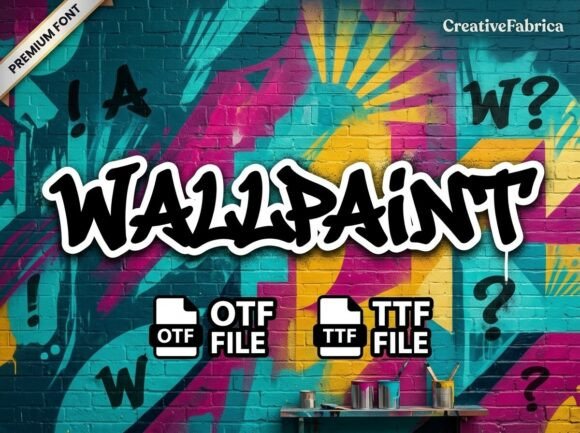
You can almost smell the spray paint. That’s the immediate, visceral reaction Wallpaint is designed to evoke. This isn't just another script font; it’s a direct conduit to the gritty, vibrant pulse of the urban underground. For designers and creators who need to inject a project with authentic attitude and unapologetic boldness, it offers a specific visual language that’s hard to ignore. Imagine a hand-scrawled tag on a gritty brick wall, executed with the confident, flowing strokes of a fat-cap marker—that’s the core energy this premium font captures. Its relaxed, continuous flow feels organic and lived-in, while the thick, fluid letterforms carry undeniable weight. The defining feature, a bold, high-contrast white drop-contour, acts like a permanent outline, ensuring each word pops with the clarity of a freshly painted mural. This isn't delicate typography; it's a powerhouse designed to cut through visual noise.
The Anatomy of an Attitude: More Than Just a Script
Understanding what makes Wallpaint work starts with its visual DNA. It’s heavily inspired by Chicano hand-lettering traditions and the thick, rounded strokes of spray paint culture. This gives it an inherent authenticity that generic handwritten fonts often lack. The letterforms aren't perfectly uniform; they have the slight variations and relaxed connections of real, fast-paced hand-lettering. This creates a dynamic rhythm in headlines and logos, avoiding the stiff, mechanical look that can plague digital scripts. The thick strokes provide a strong presence on the page or screen, while the flowing connections between letters maintain legibility even at larger display sizes. It’s a modern typeface that understands its roots, making it particularly effective for projects that need to convey street credibility, artistic rebellion, or counter-culture edge.
Where This Typeface Truly Shines: Practical Applications
Knowing a font’s personality is one thing; knowing where to apply it is where the real value lies. Wallpaint isn't for body copy in a novel, but it excels as a strategic design asset for high-impact moments. Think about the first thing someone sees: your logo, your poster headline, your album cover art. This is where a bold, display font earns its keep.
- Brand Identity & Logo Design: For streetwear labels, skate brands, urban music projects, or edgy beverage companies, a logotype set in Wallpaint instantly communicates a specific aesthetic. It tells your audience, "We're part of this culture," without a single word of explanation. Pair it with a clean, geometric sans-serif for body text to create a balanced and professional brand identity system.
- Apparel & Merchandise: This is its natural habitat. T-shirt graphics, hoodie prints, and cap embroidery demand fonts that are bold and instantly readable from a distance. The high-impact nature of Wallpaint ensures your designs look sharp on fabric, even on busy, patterned backgrounds reminiscent of abstract splashes or concrete textures.
- Event & Poster Design: Concert posters, club night flyers, and extreme sports event promotions thrive on visual urgency. The raw energy of this typeface can set the tone for the entire event before a single detail is read. It’s perfect for titles that need to scream over a complex, colorful mural-style background.
- Digital & Social Media: In the fast-scroll world of Instagram, TikTok, and YouTube thumbnails, you have milliseconds to grab attention. A thumbnail or social media graphic using Wallpaint for its key message can stop a scroll. It’s also effective for website hero sections, especially for brands in creative, music, or lifestyle sectors.
- Packaging & Editorial: While more niche, it can be a standout choice for product packaging in the craft beverage, artisanal food, or specialty goods market where an alternative, handcrafted look is the goal. In editorial design, it can be used sparingly for pull quotes or section headers in magazines focused on urban culture, art, or music.
Beyond the Vibe: Strategic Design Considerations
Choosing a creative font like Wallpaint is a strategic decision, not just an aesthetic one. To use it effectively, you need to consider the practicalities of design and communication. First, always test your font pairings. The bold, expressive nature of Wallpaint demands a calm, stable partner. Classic sans-serif fonts (like Helvetica, Futura, or modern geometric sans-serifs) are excellent counterpoints, providing clear hierarchy and ensuring your body text remains highly readable. Avoid pairing it with other ornate or highly detailed fonts, as this will create visual chaos.
Second, prioritize readability in context. While it’s designed for legibility over complex backgrounds, you must still test it. Place your headline over the actual background you intend to use—whether it’s a photo, a texture, or an abstract pattern—and step back. Can it be read in a single glance? The white contour helps, but color contrast between the main letter color and the background is still critical. For web design, ensure the font size is large enough to maintain its impact and clarity on mobile screens.
Finally, understand the commercial licensing. If you're using Wallpaint for client work or selling products featuring the font (like merchandise or digital templates), you need to ensure you have the appropriate commercial license. This is a non-negotiable part of professional practice and protects both you and the font creator. Review the included styles—does the font family include alternates, swashes, or multiple weights that could give you more flexibility in your designs? Exploring these options can significantly extend the utility of your investment in a premium font.
Making It Your Own: A Final Thought on Authenticity
The ultimate goal of any design asset is to help you communicate more effectively and build a stronger connection with your audience. Wallpaint offers a direct line to a specific, powerful visual culture. It can elevate a project from looking generic to feeling genuinely crafted with a clear point of view. However, its power is in its specificity. Use it when its personality aligns perfectly with your project's message and your audience's expectations. When the fit is right, it doesn’t just display text; it conveys an entire attitude, helping your brand or project cut through the noise with the confident, undeniable presence of a street mural. It’s a tool for visual storytelling, best wielded with intention and an understanding of the culture it represents.