Pure Love: The Whimsical Font for Heartfelt Designs
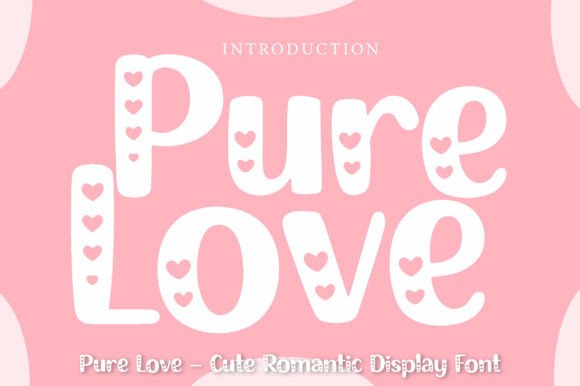
There's a particular kind of magic in a font that doesn't just hold letters, but holds feelings. Imagine a typeface where every curve feels like a gentle embrace and every dot on an 'i' is a tiny, perfect heart. This isn't just a tool for words; it's a vessel for emotion. For designers and creators working on projects meant to celebrate connection—from a heartfelt wedding invitation to a brand that centers on joy and affection—finding that perfect typographic voice is everything. It's the difference between text that informs and text that connects.
A Typeface with Personality and Charm
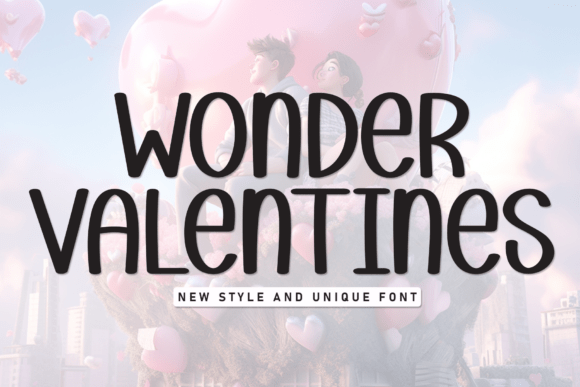
What sets a display font like this apart is its inherent character. It’s not a neutral workhorse; it’s a specialized artist. The visual appeal lies in its delicate balance of whimsy and elegance. You'll find soft, flowing letterforms that feel handwritten, paired with those signature adorable heart details that are integrated with a designer's touch—never gaudy, always charming. This creates a typeface that feels personal, warm, and instantly recognizable. It’s the kind of creative font that does more than spell out a message; it sets a mood of love, care, and playful sophistication the moment someone lays eyes on it.
Think about the difference between a standard sans serif font on a birthday card and one that feels like it was crafted with affection. The latter doesn't just communicate; it evokes a feeling. This is the core value for any project that deals with emotional branding or celebratory design. It’s a premium font asset that acts as a shortcut to establishing a heartfelt, approachable, and memorable visual identity.
Where Whimsical Typography Truly Shines
The true test of a specialty font is its range of application. While it’s clearly perfect for Valentine’s Day cards, its utility extends far beyond seasonal projects. This is where practical design thinking comes in. Consider these real-world uses where such a typeface elevates the final product:
- Brand Identity & Logo Design: For businesses in the wedding industry, a boutique selling handmade gifts, a children's brand, or a lifestyle blogger, a font with this personality can become the cornerstone of the logo. It immediately signals the brand's values—love, joy, creativity—without a word of copy.
- Packaging Design: Imagine the unboxing experience for a jewelry brand, artisanal chocolates, or luxury candles. Using this font on the box, tag, or tissue paper transforms the product from a simple item into a cherished gift. It adds perceived value and emotional resonance.
- Digital & Social Media Graphics: In a crowded feed, a distinctive font grabs attention. Use it for Instagram quotes, story highlights, Pinterest graphics, or YouTube thumbnails related to relationships, self-care, or celebrations. It ensures your content is not only seen but felt.
- Invitations & Stationery: This is its natural habitat. Wedding suites, baby shower invites, bridal shower announcements, and thank you cards gain an instant layer of personality and cohesion. The font itself becomes part of the event's aesthetic.
- Marketing & Editorial: Use it for hero text on a website landing page, chapter headings in a cookbook, or pull quotes in a magazine layout about love stories. It adds visual interest and breaks up blocks of body text, guiding the reader's eye.
Making It Work: Practical Typography Advice
Having a beautiful font is one thing; using it effectively is another. A common pitfall with expressive display fonts is overuse. Here’s how to integrate this style into your projects with professional finesse.
Pairing is Paramount. This font is a star performer, best used for headlines, short phrases, or logos. For body text, you need a supporting actor that provides clarity and balance. Pair it with a clean, highly readable sans serif font or a simple, classic serif font. For example, combine it with a font like Montserrat or Lato for a modern, clean look. The contrast allows the display font's personality to pop without overwhelming the reader.
Consider the Context. Always ask: what is the project's goal? For a wedding website, elegance is key, so use it sparingly for titles. For a sticker sheet for a teen brand, you might use it more liberally. Test it at the actual size it will be viewed. Some intricate details in a font can get lost at very small sizes, so ensure legibility for your intended application.
Review All Included Styles. A well-crafted premium font often comes with more than just the standard letters. Look for stylistic alternates (different versions of certain letters), ligatures (special combined characters like 'fl' or 'tt'), and additional heart glyphs. These features allow for greater customization and help avoid repetition in longer text, making your designs look even more polished and unique.
Understand the License. This is crucial for any commercial project. Ensure the font license covers your intended use—whether for client work, merchandise for sale, or digital products. Most reputable font designers offer clear licensing tiers. Respecting this not only keeps you legally safe but supports the creators who make such specialized tools possible.
Crafting Cohesive and Memorable Visual Stories
Ultimately, the goal of any design project is to communicate a message effectively and memorably. The right typeface is a powerful ally in this. When your typography aligns perfectly with your project's emotional core, it strengthens brand recognition, enhances the user experience, and makes your work stand out. It moves your designs from being merely functional to being truly expressive.
Choosing a font like this is a strategic decision. It’s for the moments when you want your words to do more than sit on a page—you want them to sing, to whisper, to declare with a smile. It’s about building a visual language that resonates deeply with your audience, turning every headline, every logo, every invitation into a small work of art that speaks directly to the heart. In the end, that connection is what makes a design not just seen, but remembered.